
Mineral, alkaline, copper and zinc cartridges have become standard extras on Indian RO purifiers. This guide explains the chemistry behind them and what they realistically achieve.
What is water mineralisation?
Mineralisation is the controlled addition of dissolved minerals, chiefly calcium, magnesium and bicarbonate, to water that has very little of them. It is widely used after desalination and RO to improve taste, increase buffering and reduce corrosiveness.[1][2]
Why does RO water need remineralisation?
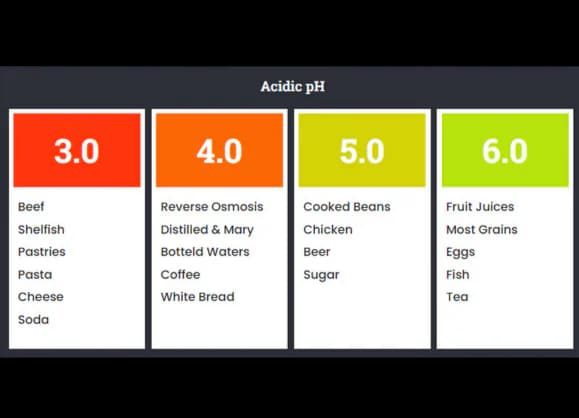
RO removes most dissolved minerals and leaves dissolved CO₂ behind. The result is low-TDS, low-alkalinity water that is often slightly acidic, can taste flat, and is mildly aggressive towards metals. WHO's review of demineralised water discusses the loss of the small mineral contribution drinking water normally provides.[1][2][3]
How does a mineral or alkaline cartridge work?
Water flows through a bed of slightly soluble mineral media. Carbonic acid in RO water reacts with calcite (CaCO₃) to form dissolved calcium bicarbonate, which consumes the acid and raises pH. Magnesium-based media work similarly and can raise pH more strongly.[1]
| Medium | Adds | Effect on pH | Notes |
|---|---|---|---|
| Calcite (calcium carbonate) | Calcium, bicarbonate | Raises towards neutral or slightly alkaline | Self-limiting: dissolves less as water approaches equilibrium |
| Dolomite / magnesium carbonate | Calcium, magnesium | Raises | Adds magnesium for taste |
| Magnesium oxide | Magnesium | Raises strongly | Can overshoot pH if contact time is long |
| Blended “alkaline” balls / ceramics | Varies by blend | Raises | Composition is manufacturer-specific; ask what it contains |
| Copper / zinc stages | Trace copper or zinc ions | Minimal | Must stay within IS 10500 limits (copper 0.05 mg/L acceptable) |
How much mineral does a cartridge actually add?
Usually a modest amount, typically raising TDS by tens of mg/L rather than hundreds. The figure depends on media type, contact time, flow and how much of the media has already dissolved. Food remains the main dietary source of calcium and magnesium.
That is not a reason to dismiss mineralisation. It changes taste noticeably and stabilises the water. But it should not be described as a mineral supplement. Measure TDS and pH at the outlet when the cartridge is new and again over time to see its real effect.[2]
TDS controller vs mineral cartridge: what is the difference?
| TDS controller (bypass valve) | Mineral cartridge | |
|---|---|---|
| How it works | Blends a small stream of unpurified (pre-filtered, often UV-treated) water with RO water | Dissolves mineral media into RO water |
| Adds | Whatever is in your source water, good or bad | Only the media's minerals |
| Risk | Also lets through fluoride, nitrate or arsenic if present in the source | Minimal, if the media is food-grade |
| Best for | Clean but high-TDS source water | Any RO water; preferable when the source has toxic ions |
What should you expect from mineralised water?
Realistic benefits
- Better, rounder taste than plain RO water
- pH raised from slightly acidic towards neutral or alkaline
- Some calcium and magnesium contribution
- Less corrosive to metal fittings and storage
For how this relates to alkaline water claims, see What Is Alkaline Water? and What Is ORP?.