“Normal” drinking water covers a lot of ground in India: treated municipal supply, borewell water, RO-purified water and packaged bottled water. Each has a different pH and mineral profile. Here is how alkaline water compares with each.
What is the difference between alkaline water and normal water?
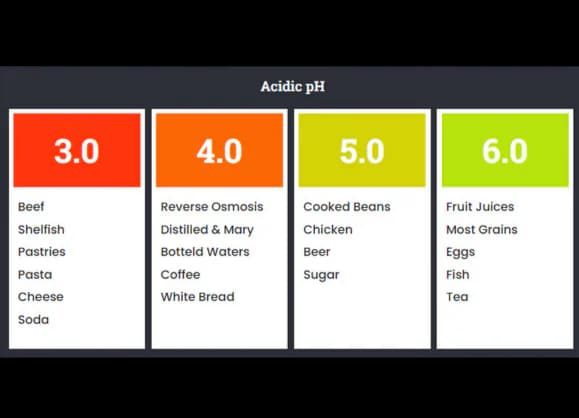
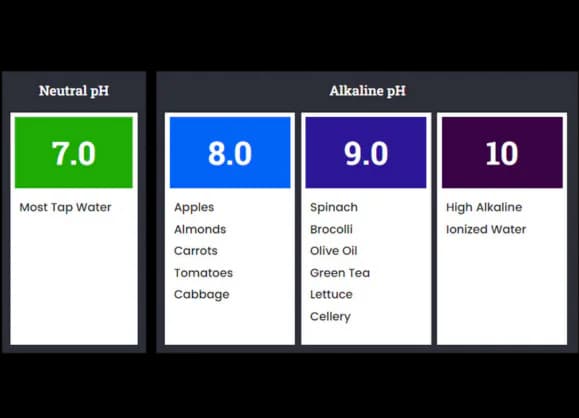
Alkaline water has a higher pH (above 7, usually 8–9.5) and often more dissolved alkaline minerals. Normal drinking water can be anywhere in the 6.5–8.5 range allowed by IS 10500. Both are equally safe as long as they are free of harmful contaminants.[1]
How do tap, RO, bottled and alkaline water compare?
| Municipal tap | RO-purified | Packaged drinking water | Alkaline (mineral stage or natural) | |
|---|---|---|---|---|
| Typical pH | Around 6.5–8.5 | Often slightly below 7 | Regulated within 6.5–8.5 | About 8–9.5 |
| Minerals (Ca, Mg) | Varies with source | Mostly removed | Varies; may be remineralised | Present or added back |
| TDS | Varies (often 100–500 mg/L) | Low | Regulated (IS 14543) | Low to moderate |
| Microbial safety | Depends on pipes and tanks | High if maintained | High if properly sealed and stored | Depends on the purification before it |
| Taste | Chlorine notes possible | Can taste flat | Neutral | Often described as smooth |
| Ongoing cost | Lowest | Consumables + reject water | Highest per litre; plastic waste | Consumables + mineral cartridge |
Is alkaline water safer than normal water?
No. pH is not a safety measure on its own. Water at pH 9 can still carry bacteria or arsenic, and water at pH 7 can be perfectly safe. What makes water safe is the absence of pathogens and harmful chemicals, as defined by IS 10500 and WHO guidelines.[1][4]
The WHO does not set a health-based guideline value for pH. pH matters operationally: water below about 6.5 can corrode pipes and leach metals, and water above about 8.5–9 can taste bitter, form scale and make chlorine disinfection less effective.[4][5]
Is alkaline water healthier than normal water?
There is no strong evidence that it is, for healthy people. Small studies have examined hydration markers and reflux, but results are limited. Medical reviews, including Mayo Clinic, conclude that for most people plain water is just as good.[6][7][8]
One real nutritional point concerns minerals rather than pH. Calcium and magnesium in drinking water make a small contribution to daily intake, and WHO has reviewed concerns about drinking fully demineralised water over the long term. That is an argument for some mineral content, which a mineral stage after RO provides. It is not evidence that high pH is beneficial in itself.[9]
Why does alkaline water taste different?
Taste comes mostly from dissolved minerals and gases. Bicarbonate, calcium and magnesium give a rounder taste, while very low-TDS water can taste flat. WHO's palatability data rate water below about 300 mg/L TDS as excellent, but extremely low TDS may also be described as insipid.[10]
Should you switch to alkaline water?
Reasons it may suit you
- You prefer the taste, and it helps you drink more water
- Your purifier is RO and you want some minerals back
- You already need a purifier, so a mineral stage is a small extra cost
Reasons to think twice[6]
- You expect medical benefits: the evidence does not support them
- You have kidney disease or take medicines affecting potassium (ask your doctor)
- You'd be paying for a mineral cartridge you won't replace on time